Hamster Breeds Guide
Before getting a hamster, understand the characteristics of different breeds
Hamsters are one of the most popular small pets today. Common pet hamsters are mainly divided into four categories: Djungarian (Dwarf), Campbell, Roborovski (Robo), and Syrian (Bear Type). Different breeds have significant differences in size, temperament, lifespan, and care difficulty. Choosing the right breed for you is the first step to keeping hamsters well.
Filter by type:

Dwarf Campbell
Phodopus sungorus
OriginSiberia, Kazakhstan
Length8-12cm
Weight30-50g
Lifespan1.5-2 years
TemperamentGentle & Friendly
Price$2-5
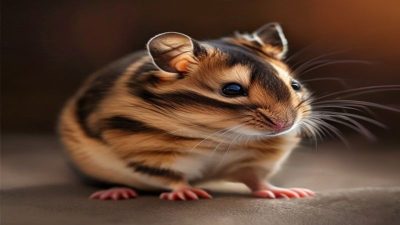
Dwarf Campbell is the most popular hamster breed for beginners, named for the three dark stripes on its back. They have gentle temperaments and are easy to handle, making them one of the best hamster breeds for beginners. They adapt well to various environments and have relatively low daily care costs. They are mostly active in the evening and at night, preferring to sleep in their nests during the day.
Pros
- Gentle temperament, easy to handle
- Affordable price, low barrier to entry
- Easy to care for, great for beginners
- Friendly and interactive
Cons
- Small size, can escape easily
- Shorter lifespan, 1.5-2 years
- Nocturnal, less active during day
- Territorial - cannot cohabitate

Pudding Hamster
Phodopus sungorus var.
OriginJapan (bred variety)
Length8-11cm
Weight30-45g
Lifespan1.5-2 years
TemperamentMild & Shy
Price$3-7
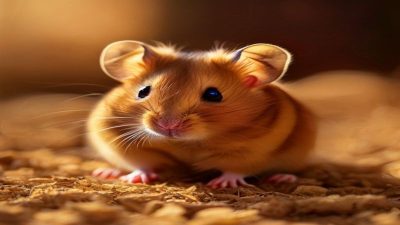
Pudding hamsters are a color variation of Dwarf Campbell, named for their fur color resembling caramel pudding - they are a very popular variety. Their fur is light yellow or creamy yellow, making them extremely cute. They are slightly shyer than Dwarf Campbell but become friendly once familiar with you. Pudding hamsters may "change color" - some become darker with age, even similar to standard Dwarf Campbell colors, which is completely normal.
Pros
- Cute fur color, like little puddings
- Mild temperament, rarely bites
- Easy to care for
- Popular and easy to find
Cons
- Some may change color, affecting appearance
- Slightly shyer than Dwarf Campbell
- Prone to obesity, diet control needed
- Unstable genetics, offspring may change color

White Winter White
Phodopus sungorus var.
OriginJapan (bred variety)
Length8-12cm
Weight30-50g
Lifespan1.5-2 years
TemperamentActive & Playful
Price$4-8
White Winter White is a white color variation of Dwarf Campbell, predominantly white with possibly small amounts of gray or black fur along the dorsal stripe, looking like a little white fox. White Winter White hamsters are active and playful, even more energetic than Dwarf Campbell and Pudding, enjoying running around in their cages. They have beautiful appearances and are highly popular among hamster enthusiasts.
Pros
- Beautiful appearance, clean white fur
- Active personality, good for observation
- Easy to care for
- Great for photos, very attractive
Cons
- Slightly harder to tame than Dwarf Campbell
- Active and playful, can escape easily
- White fur gets dirty easily
- Slightly more expensive than Dwarf Campbell

Chinese Winter White
Phodopus sungorus var.
OriginChina (bred variety)
Length8-11cm
Weight30-45g
Lifespan1.5-2 years
TemperamentCalm & Gentle
Price$3-6
Chinese Winter White is a gray variation of Dwarf Campbell with light grayish-blue fur that has a subtle purple sheen in light, hence the name. They have a relatively calm and gentle temperament, not as active as White Winter White nor as shy as Pudding - a more neutral personality. They are a relatively low-key variety among Djungarian hamsters but offer an excellent care experience.
Pros
- Unique fur color, soft grayish-purple
- Calm and gentle temperament
- Easy to care for
- Not easily startled
Cons
- Colors less vibrant than other varieties
- Relatively scarce supply
- Easily confused with Dwarf Campbell
- Nocturnal, less interaction during day

Milk Tea Hamster
Phodopus sungorus var.
OriginChina (bred variety)
Length8-11cm
Weight30-45g
Lifespan1.5-2 years
TemperamentGentle & Relaxed
Price$3-7
Milk Tea hamsters are a milk tea-colored variation of Djungarian hamsters with warm light brown fur, resembling milk tea with milk added - very appealing. They have gentle and relaxed temperaments, quieter than other varieties and less inclined to run around, suitable for owners who prefer calm hamsters. They are a popular variety in recent years with both attractive appearance and good temperament.
Pros
- Warm and attractive fur color
- Gentle and relaxed temperament
- Less likely to escape
- Great for owners who prefer quiet
Cons
- Quite lazy, less exercise
- Prone to gaining weight
- Not very active after taming
- Unstable market supply

Syrian Hamster
Mesocricetus auratus
OriginSyria, Turkey
Length15-20cm
Weight120-200g
Lifespan2-3 years
TemperamentGentle & Smart
Price$4-10
Syrian Hamster is the largest pet hamster breed, growing to 15-20cm as adults, weighing 3-4 times that of dwarf hamsters. They have gentle and smart temperaments with the best interactivity among all hamsters, very easy to tame and bond with. Syrian Hamsters must live alone and should never be cohabited. Due to their large size, they require larger cages and wheels, with higher space requirements than dwarf hamsters.
Pros
- Large size, great feel
- Gentle temperament, easiest to tame
- Best interactivity
- Longer lifespan, 2-3 years
Cons
- Needs larger cage and wheel
- Higher food consumption, slightly higher cost
- Must absolutely live alone
- Larger bites hurt more

Roborovski Hamster
Phodopus roborovskii
OriginMongolia, Northern China
Length4-5cm
Weight20-35g
Lifespan3-3.5 years
TemperamentShy & Timid
Price$3-7
Roborovski Hamster is the smallest pet hamster breed, named for their white eyebrow-like markings resembling a white-bearded old man. They are extremely fast, very shy and timid, and difficult to handle - the hardest hamster breed to tame. However, Roborovski Hamsters have the longest lifespan, up to 3-3.5 years, and are highly entertaining to watch as they zoom around their cages at lightning speed. They are the only hamster variety that may potentially cohabitate, though success rate is not high.
Pros
- Smallest size, cutest
- Longest lifespan, 3-3.5 years
- Highly entertaining, fun to watch
- Low food consumption, low cost
Cons
- Extremely hard to tame, very shy
- Too fast, escapes easily
- Not suitable for owners wanting interaction
- Requires huge amount of patience to tame

Campbell Hamster
Phodopus campbelli
OriginMongolia, Russia
Length8-11cm
Weight30-45g
Lifespan1.5-2 years
TemperamentActive & Spirited
Price$2-5
Campbell Hamsters look similar to Dwarf Campbell but have significant personality differences. They tend to be more temperamental and bite more easily, with higher difficulty to tame than Dwarf Campbell. Campbell Hamsters have more diverse color variations than Dwarf Campbell, including Calico, Snowball, Black Bear and more. They are inexpensive but not recommended for beginners due to temperament. Consider trying them after gaining some hamster-keeping experience.
Pros
- Rich color varieties
- Affordable price
- Small size, low space requirement
- Strong adaptability
Cons
- Temperamental, bites easily
- High difficulty to tame
- Not suitable for beginners
- Extremely territorial

Calico Hamster
Phodopus campbelli var.
OriginChina (bred variety)
Length8-11cm
Weight30-45g
Lifespan1.5-2 years
TemperamentActive & Energetic
Price$2-5
Calico Hamster is a calico-colored variation of Campbell, with white base and irregular color patches like a cow, black and white or brown and white - very attractive. They are one of the most popular hamster varieties in China because each Calico has unique markings and individual personality. Their temperament is similar to Campbell - quite active and energetic, with some individuals being more temperamental and requiring patience to tame.
Pros
- Unique markings, each one different
- Beautiful appearance, high recognition
- Affordable price
- Active and energetic, entertaining
Cons
- May be temperamental
- Requires patience to tame
- May bite
- Strong territorial awareness

Snowball Hamster
Phodopus campbelli var.
OriginChina (bred variety)
Length8-11cm
Weight30-45g
Lifespan1.5-2 years
TemperamentShy & Sensitive
Price$3-6
Snowball Hamster is an albino variety of Campbell with pure white fur and red eyes, looking like a cute little snowball. They are very popular among hamster enthusiasts due to their red-eyed white appearance. However, Snowball Hamsters have relatively shy and sensitive personalities, more easily startled than other Campbell varieties, with higher taming difficulty. Red-eyed hamsters are sensitive to light, so avoid direct bright light.
Pros
- Pure white appearance very cute
- Extremely high recognition
- Great for photos
- Moderate price
Cons
- Red eyes sensitive to light
- Shy and easily startled
- Higher taming difficulty
- Poor eyesight

Eyeline Hamster
Phodopus campbelli var.
OriginChina (bred variety)
Length8-11cm
Weight30-45g
Lifespan1.5-2 years
TemperamentClever & Active
Price$3-7
Eyeline Hamster is a special color variety of Campbell, named for the dark fur around their eyes making them look like they are wearing glasses. They have very distinctive markings and are quite popular in the hamster community. Eyeline Hamsters are clever and active, more energetic than typical Campbell hamsters, and highly entertaining to watch. Taming difficulty is similar to Campbell, requiring patient training.
Pros
- Unique markings, like wearing glasses
- High recognition
- Active and playful
- Highly entertaining
Cons
- Requires patience to tame
- May be temperamental
- Strong territorial awareness
- Nocturnal, less active during day

Black Bear Hamster
Mesocricetus auratus var.
OriginChina (bred variety)
Length15-20cm
Weight120-200g
Lifespan2-3 years
TemperamentGentle & Friendly
Price$5-10
Black Bear Hamster is a black variation of Syrian Hamster with pure black or dark brown fur, looking like a little black bear - very cool. They have the same gentle and friendly temperament as Syrian Hamster with excellent interactivity, easy to tame. Black Bear Hamsters are the same size as Syrian Hamsters and require the same large cages and wheels. They are becoming increasingly popular in China, being the top choice for owners who prefer dark-colored hamsters.
Pros
- Black fur looks very cool
- Gentle and friendly
- Strong interactivity
- Large size, great feel
Cons
- Needs large cage and wheel
- Higher food consumption
- Must live alone
- Dark fur not good for photos

Angora Syrian
Mesocricetus auratus var.
OriginChina (long-haired bred variety)
Length15-20cm
Weight130-210g
Lifespan2-3 years
TemperamentGentle & Elegant
Price$10-25
Angora Syrian is a long-haired variety of Syrian Hamster with long fluffy fur, elegant and beautiful like an Angora dog, hence the name. They come in various colors including golden, cream, white, and calico. Long hair is a recessive gene with higher breeding difficulty, so they are more expensive than regular Syrian Hamsters. They have the same gentle temperament as Syrian Hamsters but require extra fur care, being prone to matting and getting dirty, needing regular brushing.
Pros
- Very beautiful long hair
- Gentle temperament
- Excellent for photos
- Extremely high recognition
Cons
- Higher price
- Long hair needs regular brushing
- Easily gets dirty
- Difficult breeding, scarce supply

White-Faced Robo
Phodopus roborovskii var.
OriginChina (bred variety)
Length4-5cm
Weight20-35g
Lifespan3-3.5 years
TemperamentShy & Timid
Price$4-8
White-Faced Robo is a white-faced variation of Roborovski Hamster, different from Roborovski in having a completely white face without the white eyebrow markings, looking like wearing a white mask hence the name. Like Roborovski, they are extremely small, fast, and very shy, difficult to tame. They also have the longest lifespan among all hamsters, up to 3-3.5 years. White-Faced Robo are rarer than Roborovski and slightly more expensive.
Pros
- White face very cute
- Longest lifespan 3-3.5 years
- Smallest size
- Highly entertaining
Cons
- Extremely hard to tame
- Too fast, escapes easily
- Scarce market supply
- Not suitable for owners wanting interaction
Beginner's Breed Selection Guide
Recommended for Beginners
First-time hamster owners, we recommend Dwarf Campbell or Syrian Hamster. Dwarf Campbell has a gentle temperament, affordable price, and is the easiest to handle; Syrian Hamster is larger with strong interactivity, suitable for owners wanting more interaction. Both have low care difficulty and are perfect for beginners.
Want to Interact?
If you want a friendly hamster you can handle and play with, choose Syrian Hamster first - they have the best interactivity among all hamsters. Next is Dwarf Campbell and Pudding Hamster - gentle temperaments and can interact well with patient training.
Want Good Looks?
For those pursuing appearance, White Winter White has clean beautiful white fur, Pudding Hamster has super cute caramel color, and Syrian Hamster with golden fur photographs especially well. These three breeds are all about looks.
Just Want to Watch?
If you don't need interaction and just enjoy watching hamster activities, Roborovski Hamster is the best choice. They run at lightning speed and watching them zoom on their wheel is very entertaining, plus they have the longest lifespan.
Precautions When Choosing a Hamster
- Don't just look at appearance: A hamster's temperament is more important than looks. A friendly hamster brings more joy
- Don't cohabitate: Hamsters are solitary animals. One hamster per cage is the safest keeping method
- Consider space: Syrian Hamsters need larger cages and wheels. Dwarf hamsters have relatively smaller space requirements
- Choose reputable sources: Buy from reputable pet stores or reliable breeders to avoid getting sick hamsters
- Be mentally prepared: Hamster lifespan is 1.5-3 years. Be prepared to face parting before getting one
Common Questions About Choosing Hamster Breeds
How to Identify Hamster Breeds?
Identifying hamster breeds mainly involves size, fur color, and facial features. The largest is Syrian Hamster, growing 15-20cm as adults, recognizable at a glance; the smallest is Roborovski at only 4-5cm with obvious white eyebrows or white masks. Dwarf and Campbell types look similar, but Dwarf has three dark stripes on the back and gentle temperament; Campbell has more color variations and relatively temperamental personality. When purchasing, observe the number of dorsal stripes, fur color distribution, and body size to initially determine the breed.
Relationship Between Hamster Breeds and Temperament
Different hamster breeds have significantly different temperaments. Djungarian hamsters (Dwarf Campbell, Pudding, White Winter White, Chinese Winter White, Milk Tea) generally have gentle temperaments and are the easiest to handle; Syrian Hamster (Syrian, Black Bear, Angora) are large but gentle and smart with the best interactivity; Roborovski hamsters are extremely shy and fast, almost impossible to handle; Campbell type hamsters (Calico, Snowball, Eyeline) are lively but temperamental, may bite easily, requiring more patience to tame. When choosing a breed, temperament is often more important than appearance.
Differences in Care Requirements Between Breeds
Different breeds have distinct care requirements. Syrian and Bear Type hamsters are large and need cages with at least 5000cm² floor space and wheels over 28cm diameter, with higher food consumption; Dwarf hamsters (Djungarian, Campbell) need cages with at least 4000cm² floor space and wheels over 21cm diameter; Roborovski hamsters are the smallest but fastest - cage gaps must be small to prevent escape. All hamster breeds must live alone - one hamster per cage is the basic rule. In diet, Bears have slightly higher protein needs, while Dwarf hamsters need more attention to sugar control to prevent diabetes.
Hamster Breed Price Reference
Hamster prices vary greatly by breed and region. Dwarf Campbell is cheapest, usually $2-5; Pudding, Chinese Winter White, Milk Tea about $3-7; White Winter White $4-8; Syrian Hamster $4-10; Black Bear $5-10; Roborovski, White-Faced Robo $3-8; Campbell types $2-5; Angora Syrian, due to rare long-hair genes, are most expensive at about $10-25. Pet market prices are usually lowest but with higher health risks; reputable pet stores have moderate prices with better after-sales support; professional breeders offer best quality but highest prices.
Purchase Source Recommendations
Prioritize purchasing hamsters from reputable pet stores or well-reviewed professional breeders. Hamsters from reputable sources have better health guarantees and can provide basic care guidance. Although pet markets have lower prices, hamster sources are complex with higher health risks, making it easy to buy sick or pregnant hamsters. Online hamster purchasing has shipping risks and is not recommended for beginners. Regardless of source, when purchasing observe the hamster's mental state, clean fur, bright eyes, and clean anal area - choose lively and healthy individuals.
Want to learn more about hamster care? Follow Hamster Haven for continuous practical hamster keeping tips!
📖 Breed Related Articles