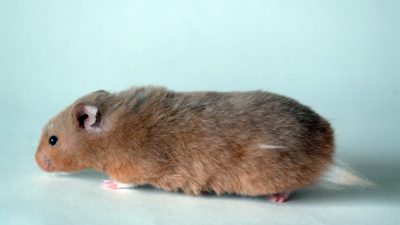
Hamster Breeding Guide: From Breeding to Puppy Care
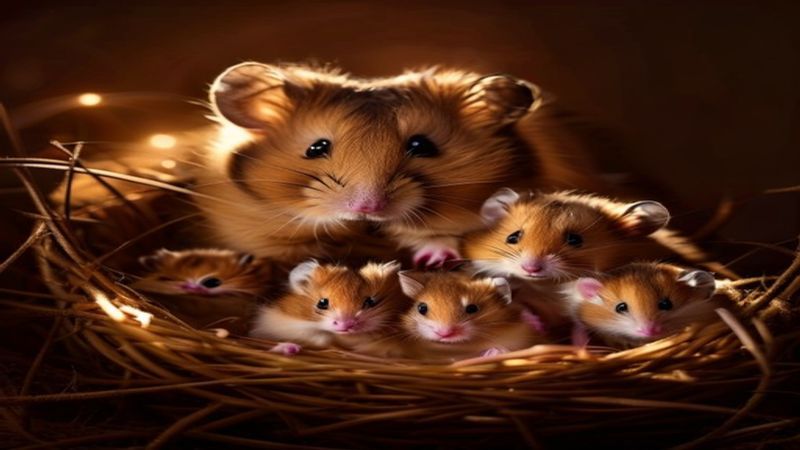
Hamster breeding is a decision that requires careful consideration. This article will introduce the entire process of hamster reproduction and help you understand relevant knowledge. But remember, make sure you can take care of all the pups before breeding.
1. Considerations before breeding
Before deciding to breed, please consider the following questions:
- Are you able to take care of all the baby mice?
- Have you found a reliable adopter?
- Is the female rat’s health suitable for breeding?
- Are you aware of the risks of reproduction?
2. Breeding timing
- Age: Female rats are 4-6 months old, male rats are 3-5 months old
- Estrus cycle: Estrus occurs every 4 days and lasts about 12 hours
- Breeding time: evening (active period of hamsters)
3. Pregnancy care
- The pregnancy period is about 16-22 days
- Remove the male rat immediately after pregnancy
- Increase protein foods (mealworms, boiled egg whites)
- Provide more cushion materials for nesting
- Keep the environment quiet, don’t disturb
- Prepare the post-weaning cage in advance
4. Childbirth
- Labor usually occurs at night
- 4-12 in one litter
- Do not disturb during delivery
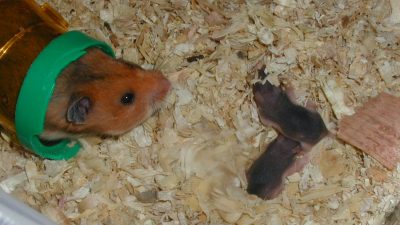
- Do not touch the baby rats (mother rats may be abandoned if they are exposed to human odor)
5. Care of young mice
- 0-7 days: Do not touch the pups, let the mother take care of them
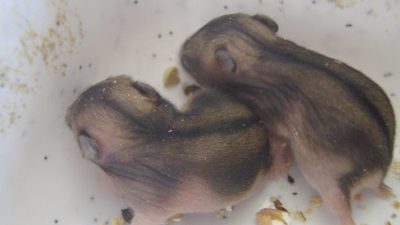
- 7-14 days: Puppies start to grow hair
- 14-21 days: Puppies begin to open their eyes and walk
- 21-28 days: solid food can be introduced
- 28 days: can be divided into cages (males and females separately)
Summary
Hamster breeding requires sufficient knowledge, preparation and responsibility. If you do not have the ability to care for all the young rats, it is recommended not to breed. Scientific feeding and responsible breeding are principles that every hamster owner should follow.

These are all experiences I've gained from keeping hamsters, hope they help you~ Feel free to leave a comment if you have questions, I reply to all messages!