Can hamsters be kept in cages? Risk analysis of different breeds in cages

Whether hamsters can be kept in cages is a question that many novices are concerned about. The answer depends on the breed, but in general, most hamsters are better suited to being kept alone. This article will analyze the cage closing situation of each species in detail.
1. Syrian Hamster (Golden Bear)
Never close the cage!
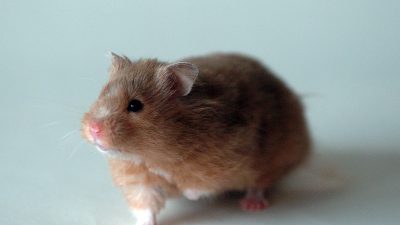
Syrian hamsters are strictly solitary animals. They will inevitably fight when they are in a cage, which can lead to death in severe cases. Even if there is a male and a female, they cannot be kept together during the non-breeding period.
2. Jakalia Hamster (Third Line)
Theoretically yes, but the risk is high.
Jakalia hamsters sometimes live in groups in the wild, but the success rate of cage integration is not high in artificial breeding environments. If you must try:
- Must be littermates
- Grown up together from childhood (within 4 weeks of age)
- The cage should be large enough
- Prepare two food bowls and two kettles
- Observe closely and separate immediately if there is a fight
3. Campbell’s Hamster (first line)
Caging is not recommended.
Campbell’s hamster has a more aggressive personality than Sanxian, and has a lower success rate in cage closing.
4. Roborovsky’s Hamster
The success rate of cage closing is relatively high, but there are still risks.
Roborovsky hamsters are a highly social breed, and the success rate of same-sex cage integration is relatively high, but close observation is still required.
5. Risks of cage closing
- Injuries from fighting may lead to death in severe cases
- Stress leads to decreased immunity
- Competition for food leads to malnutrition
- Reproduction risk (opposite sexes in cages)
6. Things to note when closing the cage
If you decide to try cage sharing (dwarf hamsters only):
- Prepare a spare cage that can be separated at any time
- Provide multiple hiding houses
- Multiple food bowls and kettles
- Observe every day for signs of fighting
- Separate immediately and permanently if fighting occurs
Summary
For most hamster owners, keeping them alone is the safest and most recommended option. The risks of co-caging far outweigh the benefits, so don’t put your hamster at risk for your own preferences.

These are all experiences I've gained from keeping hamsters, hope they help you~ Feel free to leave a comment if you have questions, I reply to all messages!


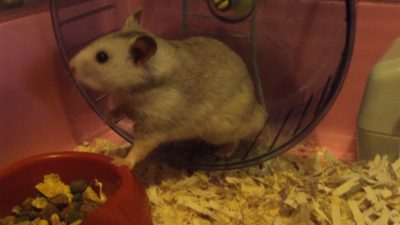

我家三线最近老是咬笼子,是压力太大了吗?笼子已经够大了呀。
咬笼子可能是压力大或者无聊。试试换个大点的笼子,多放些玩具和跑轮,白天别去打扰它休息。