How do you keep a golden bear hamster? A Complete Guide to Breeding Golden Silk Bears
- Golden Wire Bear Basics
- Goldilocks rearing environment
- Cage requirements
- Running wheel size
- Cushions and sockets
- What do golden bears eat?
- Staple food
- Snacks & Supplements
- Contraindications
- Golden Wire Bear Daily Treatments
- Cleaning
- Interacting and Getting Started
- Health Observation
- Breeding precautions for golden bears
- How long will the golden bear live?
- What runner does the golden thread bear use?
The golden silk bear is round and furry, and it is the heart of many mouse friends. However, golden silk bears are large, and there are many differences between breeding requirements and dwarf hamsters. Today’s complete guide to raising golden bears, from cages to diet to daily care, will help you keep them fat, healthy and healthy.
Golden Wire Bear Basics
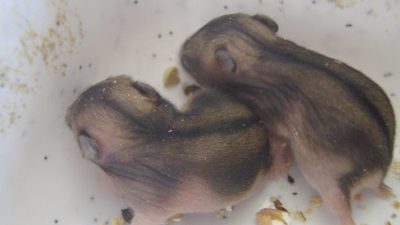
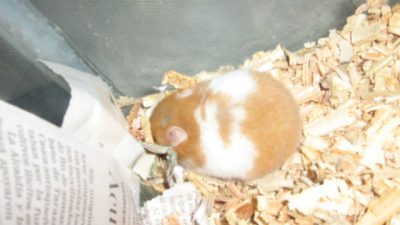
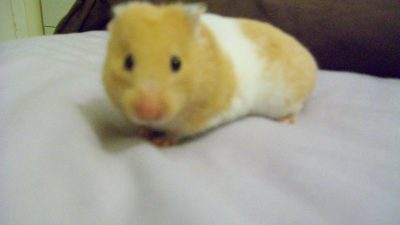
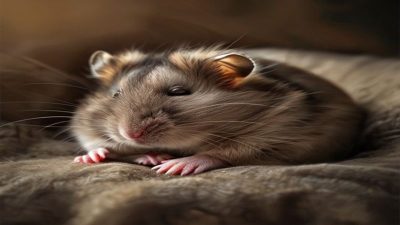
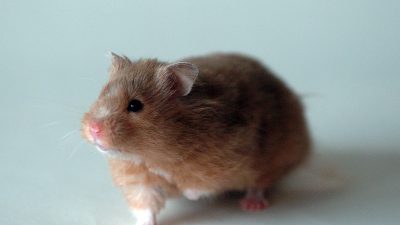
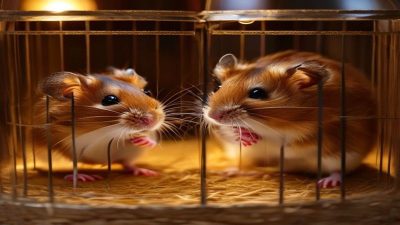
The Syrian hamster is the largest pet hamster breed, with an adult body length of 15-20 cm and a weight of 120-200 grams. Lifespan is about 2-3 years. Gentle personality, easy to get started, perfect for novice breeding. Golden silk bears are solitary animals, they must be caged one by one, and they must never be caged.
Goldilocks rearing environment
Cage requirements
The golden silk bear is large, and the area of the bottom of the cage is recommended to be at least 80 × 50 cm. Organize the box cage and acrylic cage, but be sure to be large enough. If it is too small, the golden silk bear will be anxious, and there will be stereotypical behaviors such as gnawing on the cage and pacing back and forth.
Running wheel size
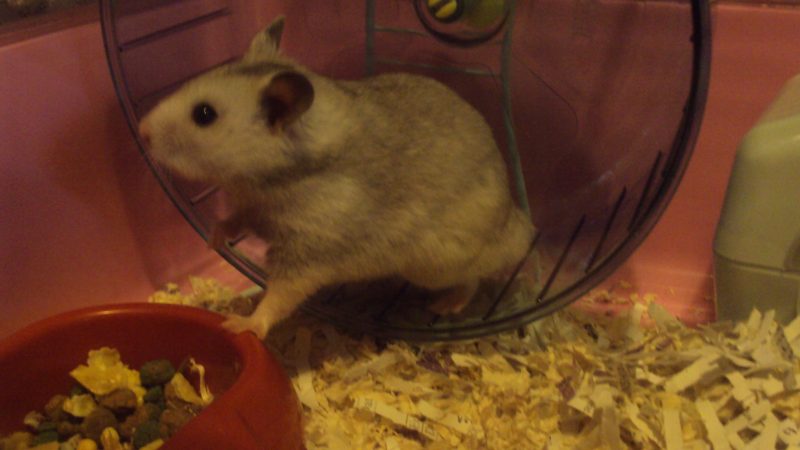
This is the easiest place for golden bears to step on the pit! Goldilocks bears must be run on wheels over 25cm, preferably 28cm. If the running wheel is too small, the golden silk bear will be severely bowed and will cause deformation of the spine for a long time. Never run on the 17cm wheels of a dwarf hamster.
Cushions and sockets
We recommend poplar sawdust or paper cotton, at least 8cm thick, and golden thread bears love to dig holes. Sheets can be torn into strips with unscented paper towels, not cotton. Dodge house to choose a large, can accommodate the entire body of the golden bear.
What do golden bears eat?
Staple food
Golden silk bears eat a large amount, about 10-15 grams of staple food per day. Professional hamster food is recommended for balanced nutrition. Do not feed only one food for a long time.
Snacks & Supplements
Some boiled chicken breasts, boiled protein, breadworms and other supplemental proteins can be fed in moderation. Fruit and vegetables such as apples and broccoli can also be fed in small amounts. Snacks are enough 2-3 times a week, do not overdose.
Contraindications
Chocolate, onions, garlic, almonds, citrus fruits are toxic to bears and must never be fed. Human snacks are too high in salt and sugar, and should not be eaten by golden thread bears.
Golden Wire Bear Daily Treatments
Cleaning
Goldilocks generally do not need to wash, it cleans its own hair. If it’s too dirty, wipe it topically with a wipe. Partially replace dirty mats weekly and clean cages every 2-3 weeks. The kettle is changed daily.
Interacting and Getting Started
Goldilocks is the easiest to get started with. Don’t rush three days before you get home, then use food to lure it into your hands and slowly build trust. 15-30 minutes of interaction per day.
Health Observation
Observe the bear’s mental state, appetite, and stool every day. If you do not eat, diarrhea, increased eye discharge, messy hair, etc., you should seek medical attention in time. Common diseases of golden bears include wet tails, skin diseases and tumors, and early detection and early treatment.
Breeding precautions for golden bears
First, golden bears are solitary animals and must be kept alone, and cages can fight and even kill. Second, the golden silk bear is a nocturnal animal, sleeping during the day and active at night, do not force it to wake up during the day. Third, the golden silk bear is large, and it is more difficult to find it after escaping the cage. The cage must be closed.
Although the golden silk bear was large in size, it was actually more carefree than the dwarf hamster. It had a good personality, strong interaction, and was not easy to get sick. As long as you give it enough space and a balanced diet, it will be able to accompany you healthily and happily for two or three years.
Read Next:
How long will the golden bear live?
The life expectancy of golden thread bears is generally 2-3 years, and those who are well cared for can live up to 3.5 years. Eating scientifically, having enough space, and reducing stress are key.
What runner does the golden thread bear use?
Golden silk bears must be run on wheels over 25cm, 28cm recommended. Too small can lead to arch back, affecting spinal health.
Raising a golden silk bear is a very happy thing, watching it grow from a small regiment into a big ball of hair, full of a sense of accomplishment. If you want to learn more about hamster breeding, please pay attention to the hamster nest and be a good rat owner with us!
- Golden Wire Bear Basics
- Goldilocks rearing environment
- Cage requirements
- Running wheel size
- Cushions and sockets
- What do golden bears eat?
- Staple food
- Snacks & Supplements
- Contraindications
- Golden Wire Bear Daily Treatments
- Cleaning
- Interacting and Getting Started
- Health Observation
- Breeding precautions for golden bears
- How long will the golden bear live?
- What runner does the golden thread bear use?

I hesitated for a long time when choosing a breed, and finally picked Pudding because they're really friendly! But every hamster has its own charm, just pick the one you like~