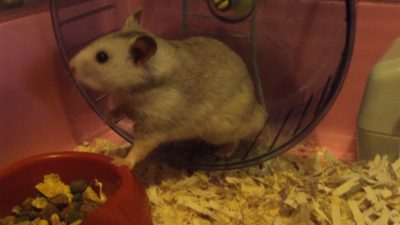
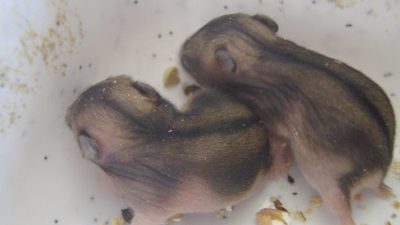
A complete guide to raising Jakalia hamsters (third line): size, personality and daily care
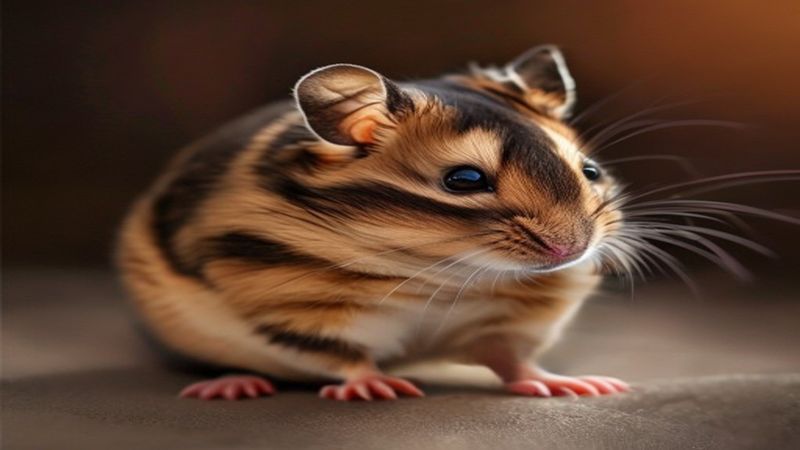
The Jakalia hamster, commonly known as the third-line hamster, is one of the most popular dwarf hamster breeds. They are small, cute and have lively personalities, making them the first choice of many hamster lovers. This article will give a comprehensive introduction to the characteristics and feeding points of the Jakalia hamster.
1. Overview of varieties
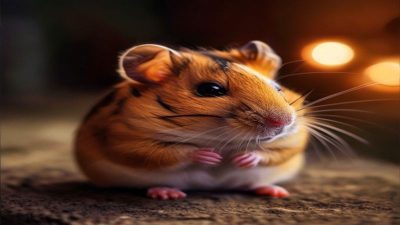
Jakalia hamsters are native to Siberia, Kazakhstan and other places. They are named “Three Lines” because wild individuals have three dark lines on their backs.
Basic data
- Body length: 7-10cm
- Weight: 30-60g
- Lifespan: 1.5-2.5 years
- Personality: lively and affectionate
2. Coat color classification
- Native Color (Three Lines): Dark gray on the back with three dark lines.
- Purple Clothes: Purple-grey, soft color.
- Silver Fox: The back is white with a small amount of gray, very beautiful.
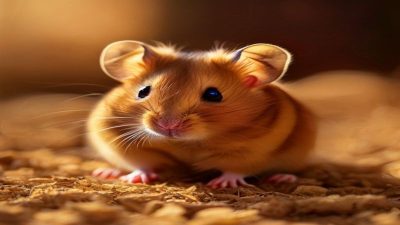
- Pudding: Yellow, as cute as a little pudding.
- Milk Tea: Light gray, like the color of milk tea.
3. Key points of feeding
1. Cage
The base area is at least 60cm × 40cm. The running wheel diameter is at least 17cm, and 20cm or more is recommended.
2. Diet
5-8g of staple food every day, with a small amount of fruit and vegetable snacks.
3. Cage closing problem
Theoretically, same-sex hamsters can be caged together, but the risk is still high. It is recommended to keep them alone to avoid injuries from fighting.
4. Differences from Syrian hamsters
- Smaller and more flexible
- Eat less
- Requires smaller running wheels
- Slightly shorter lifespan
- The personality is more lively, but it is slightly more difficult to get started
Summary
Jakalia hamsters are small pets that are very suitable for family keeping. They are small in size, rich in coat color, and lively in character. As long as you provide the right environment and scientific feeding, they will become very cute partners in your life.

I hesitated for a long time when choosing a breed, and finally picked Pudding because they're really friendly! But every hamster has its own charm, just pick the one you like~