Why can’t a hamster open its eyes? Prevention and treatment of hamster eye disease
- Common reasons why hamsters can’t open their eyes
- Excessive eye discharge
- Conjunctivitis
- Litter dust irritation
- Getting angry
- Trauma
- Senior eye disease
- What should I do if my hamster can’t open its eyes?
- Step 1: Clean with warm water
- Step 2: Use eye drops
- Step 3: Improve the environment
- Step 4: Seek medical attention in time
- How to prevent hamster eye disease?
- Related reading
- Frequently Asked Questions (FAQ)
- What eye drops should be used for hamster eye inflammation?
- What should I do if my hamster can’t open its eyes?
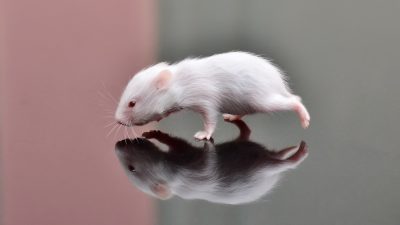
When I woke up and looked at the hamster in the morning, I found that its eyes couldn’t open and were stuck together. Are you worried? Hamster eye problems are a common health problem with many causes, and if not treated properly it can affect vision or even lead to blindness. Today we will talk about the reasons why hamsters cannot open their eyes and how to prevent and cure them.
Common reasons why hamsters can’t open their eyes
Excessive eye discharge
The most common cause is an increase in eye secretions, which dries and causes the eyelids to stick together. The tears and other secretions secreted by the hamster’s eyes while sleeping dry up and form a hard shell, causing the eyes to stick together and become unable to open. In this case, it can usually be opened after softening and cleaning with warm water.
Conjunctivitis
Conjunctivitis caused by bacterial infection can cause eye redness, swelling, increased secretions, and eyelid adhesion. Hamsters will frequently rub their eyes with their paws, causing the hair around their eyes to fall off. Conjunctivitis needs to be treated with eye drops and will worsen if not treated in time.
Litter dust irritation
The sawdust or bath sand dust is too large and can enter the hamster’s eyes, causing irritation and infection. This is a reason that many novices tend to overlook. The dust from inferior litter is very harmful to the eyes of hamsters.
Getting angry
Improper diet, such as eating too many high-calorie foods (melon seeds, peanuts, etc.), can lead to internal heat, which is manifested by increased eye secretions and eyelid adhesion. It usually improves with changes in diet.
Trauma
Hamsters may get eye injuries from fighting or hitting things, and may also be unable to open their eyes. If there is swelling and bleeding, seek medical attention promptly.
Senior eye disease
Old hamsters are prone to eye diseases such as cataracts and glaucoma, which are manifested by cloudy eyes and decreased vision. These are degenerative diseases that are difficult to cure, but care can improve quality of life.
What should I do if my hamster can’t open its eyes?
Step 1: Clean with warm water
Dip a cotton swab in warm water and apply it gently on the hamster’s eyes to soften the secretions. After the hard shell softens, gently wipe it clean. Be gentle with your movements and don’t dig hard to avoid hurting your eyelids. After cleaning, observe whether the eyes can be opened.
Step 2: Use eye drops
If your eyes are still red, swollen or have discharge after cleaning, you can use pet-specific eye drops. Commonly used ones include chloramphenicol eye drops, erythromycin eye ointment, etc., 2-3 times a day. When dropping the medicine, gently open the eyelids and let the hamster blink to distribute the medicine evenly.
Step 3: Improve the environment
Check whether the litter has dust problems and replace it with paper wool or low-dust sawdust. Keep the cage clean and clean it regularly. Reduce high-calorie foods and adjust your diet.
Step 4: Seek medical attention in time
If there is no improvement after using eye drops for 2-3 days, or if the eyes are severely red and swollen with purulent discharge, take them to the exotic pet hospital immediately. Doctors will use antibiotics or other medications depending on the situation.
How to prevent hamster eye disease?
First, choose low-dust litter, poplar wood chips or paper cotton are best. Second, keep the cage clean and change the bedding regularly to reduce bacterial growth. Third, eat a balanced diet and don’t feed too many high-calorie snacks. Fourth, avoid fighting in cages. Living alone is safest. Fifth, observe the hamster’s eyes regularly and deal with any abnormalities promptly.
Related reading
Frequently Asked Questions (FAQ)
What eye drops should be used for hamster eye inflammation?
You can use chloramphenicol eye drops or erythromycin eye ointment 2-3 times a day. If there is no improvement in 2-3 days, it is recommended to seek medical treatment.
What should I do if my hamster can’t open its eyes?
Soak a cotton swab with warm water, apply it gently on the eyes to soften the secretions, and then apply eye drops after cleaning. If it is caused by infection, continued medication is required.
Although hamster eye problems are common, most can be cured with timely cleaning and medication. The key is to detect and deal with it early and not wait until it becomes serious. If you want to know more about hamster health care, welcome to follow Hamster Nest!
- Common reasons why hamsters can’t open their eyes
- Excessive eye discharge
- Conjunctivitis
- Litter dust irritation
- Getting angry
- Trauma
- Senior eye disease
- What should I do if my hamster can’t open its eyes?
- Step 1: Clean with warm water
- Step 2: Use eye drops
- Step 3: Improve the environment
- Step 4: Seek medical attention in time
- How to prevent hamster eye disease?
- Related reading
- Frequently Asked Questions (FAQ)
- What eye drops should be used for hamster eye inflammation?
- What should I do if my hamster can’t open its eyes?

These are all experiences I've gained from keeping hamsters, hope they help you~ Feel free to leave a comment if you have questions, I reply to all messages!