What causes hamsters to lose hair? Is it normal for hamsters to shed hair?
- Is it normal for hamsters to shed hair?
- Common causes of hair loss in hamsters
- Moulting
- Senior hair loss
- Skin diseases
- Allergies
- Pressure
- Malnutrition
- How to judge whether hair loss is serious?
- What should I do if my hamster loses hair?
- Improve the environment
- Improve your diet
- Seek medical attention in time
- Related reading
- Frequently Asked Questions (FAQ)
- Will hamsters recover from hair loss on their own?
- What medicine should be used for hamster hair loss?
Are you shocked when you suddenly find that your hamster is losing its hair, with sparse hair or even a bald patch? There are normal and abnormal cases of hair loss in hamsters. The key is to identify the reasons. Today we will analyze in detail the common causes of hair loss in hamsters to help you determine whether you need to worry.
Is it normal for hamsters to shed hair?
Let me start with the conclusion: A small amount of hair loss is normal, but a large area of hair lOss is abnormal. Hamsters have a normal metabolism just like humans. It is normal for hamsters to lose a few hairs every day, especially when the seasons change. However, if you find that your hair is significantly sparse, bald spots appear, your skin is red or dandruff, you need to pay attention.
Common causes of hair loss in hamsters
Moulting
Hamsters will molt when the seasons change, which is more obvious in spring and autumn. During moulting, the amount of hair loss increases, but bald spots do not appear. The overall hair falls off evenly and new hair grows. This is a normal physiological phenomenon and does not require treatment.
Senior hair loss
When hamsters enter old age after one and a half years old, their hair will gradually become sparse, especially on the abdomen and limbs. The metabolism of older hamsters slows down, and the hair growth rate cannot keep up with the rate of shedding. This is a natural aging process, just pay attention to warmth and nutrition.
Skin diseases
Fungal infections, mites, eczema and other skin diseases can cause local hair loss, usually accompanied by symptoms such as skin redness, dandruff, and scabs. If you find that your hamster is scratching a certain part frequently and the hair in that part is falling off, it is probably a skin disease and requires prompt medical attention.
Allergies
Dust or chemicals in litter, bath sand, and sawdust may cause hamster allergies and lead to hair loss. If your hamster starts to lose hair after changing to new bedding, it may be an allergy. Try changing back to the original bedding.
Pressure
Chronic stress can also cause hair loss in hamsters. A noisy environment, a cage that is too small, fights between cages, and frequent interruptions can cause hamsters to become overstressed and suffer from hair loss, loss of appetite, and other problems. It usually recovers after improving the environment.
Malnutrition
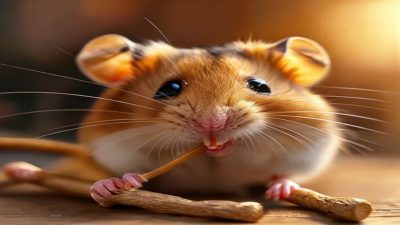
A monotonous diet lacking protein and vitamins can also cause dry, brittle fur and shedding. Hamsters that are fed only one type of food for a long time are prone to this condition. Improving the diet structure and supplementing protein and vegetables will improve the condition.
How to judge whether hair loss is serious?
Observe the following points: whether the skin at the hair loss area is red, whether there are dandruff or scabs, whether the hamster scratches frequently, and whether there are bald spots. If you have none of the above and only have a small amount of hair loss, this is usually normal. If there are any abnormalities, it is recommended to seek medical advice as soon as possible.
What should I do if my hamster loses hair?
Improve the environment
Check that your bedding is safe; switch to aspen shavings or paper cotton. Keep the cage clean and dry, and change the litter regularly. Reduce environmental stress and place the cage in a quiet area.
Improve your diet
Ensure that the staple food is professional hamster food, and appropriately supplement boiled protein, mealworms and other protein foods. Add a small amount of vegetables and fruits to supplement vitamins.
Seek medical attention in time
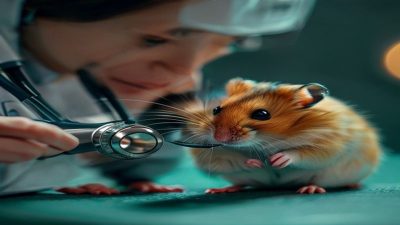
If the hair loss is severe and accompanied by skin abnormalities, do not use medication on your own and take it to the exotic pet hospital for examination. Doctors will prescribe antifungal drugs, anthelmintic drugs, etc. based on the cause of the disease. Symptomatic treatment is most effective.
Related reading
Frequently Asked Questions (FAQ)
Will hamsters recover from hair loss on their own?
If hair loss is caused by hair shedding or stress, it can heal on its own after improving the environment. If it is a skin disease or malnutrition, targeted treatment is needed to recover.
What medicine should be used for hamster hair loss?
Don’t blindly use medication, first determine the cause. Use antifungal drugs for fungal infections, deworming drugs for mites, and change the bedding for allergies. It is recommended to seek medical diagnosis and use symptomatic medication.
A hamster losing hair may seem like a small thing, but it could be a sign of a health problem. Observe the hamster’s hair and skin condition daily to detect and deal with it early. If you want to know more about hamster health care, welcome to follow Hamster Nest!
- Is it normal for hamsters to shed hair?
- Common causes of hair loss in hamsters
- Moulting
- Senior hair loss
- Skin diseases
- Allergies
- Pressure
- Malnutrition
- How to judge whether hair loss is serious?
- What should I do if my hamster loses hair?
- Improve the environment
- Improve your diet
- Seek medical attention in time
- Related reading
- Frequently Asked Questions (FAQ)
- Will hamsters recover from hair loss on their own?
- What medicine should be used for hamster hair loss?

These are all experiences I've gained from keeping hamsters, hope they help you~ Feel free to leave a comment if you have questions, I reply to all messages!