Complete Guide to Hamster Diet: Scientifically Matched Daily Nutritional Recipes
- 1. Natural feeding habits of hamsters
- 2. Staple food selection
- 1. Branded hamster food (recommended)
- 2. Self-rationed food
- 3. Daily feeding amount
- 4. Recommendations for safe fruits and vegetables
- 1. Recommended vegetables
- 2. Recommended fruits
- 3. Protein supplement
- 5. List of taboo foods
- 1. Highly toxic food
- 2. Unsuitable foods
- 6. Feeding precautions
- Summary
A scientific diet is the basis for hamster health. Many novice owners are prone to improper feeding leading to malnutrition or obesity because they do not understand the dietary needs of their hamsters. This article will provide a comprehensive introduction to hamster diet knowledge and help you formulate scientific daily recipes for your hamster.
1. Natural feeding habits of hamsters
Hamsters are omnivores, and their food in the wild includes:
- Various types of seeds and grains
- Plant shoots and leaves
- Small insects
- Fruits and Berries
- Occasionally small reptiles
Understanding the natural feeding habits of hamsters will help us more scientifically match recipes in artificial breeding environments.
2. Staple food selection
1. Branded hamster food (recommended)
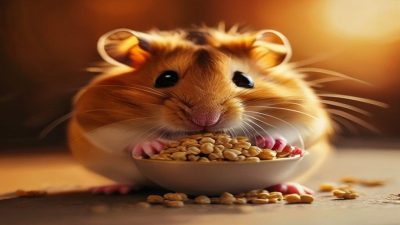
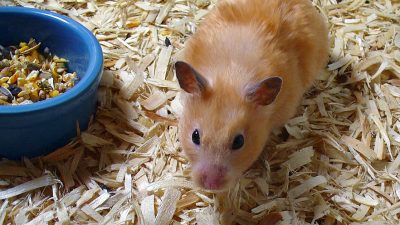
Professional hamster food is the most convenient and balanced staple food option. Good hamster food usually contains:
- Multiple grains (wheat, oats, barley)
- Seeds (sunflower seeds, pumpkin seeds, a small amount)
- Dried vegetables
- Dried fruits
- Protein particles
- Mineral and vitamin additives
2. Self-rationed food
If you want to match it yourself, you can refer to the following ratio:
- Cereals 50% (wheat, oats, millet, brown rice)
- Seeds 20% (sunflower seeds, pumpkin seeds, flaxseeds)
- Dry beans 10% (mung beans, peas)
- Dried vegetables 10% (dried carrots, dried broccoli)
- Others 10% (dried shrimp, dried mealworms)
3. Daily feeding amount
Different breeds of hamsters have different food intakes:
- Syrian Hamster: 10-15g staple food per day
- Jakalia Hamster: 5-8g staple food per day
- Campbell’s Hamster: 5-8g staple food per day
- Roborovsky Hamster: 3-5g staple food per day
Note: The above amounts are for staple food, snacks are additionally calculated, and should not exceed 10% of body weight per day.
4. Recommendations for safe fruits and vegetables
1. Recommended vegetables
- Broccoli (rich in vitamin C)
- Carrots (rich in vitamin A)
- Cucumber (high water content, give in small amounts)
- Pumpkin (rich in fiber)
- Lettuce (a small amount, more moisture)
- Celery (cut into small pieces)
2. Recommended fruits
- Apple (remove seeds, seeds contain cyanide)
- Blueberry (antioxidant)
- Strawberries (small amount, high sugar content)
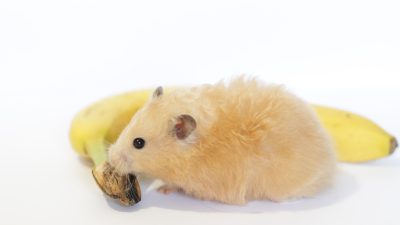
- Banana (a small amount, easy to stick to cheek pouch)
3. Protein supplement
Supplement protein 2-3 times a week:
- Poached egg whites (without any seasoning)
- Boiled chicken breast (tear into small strips)
- Mealworms (live or dried)
- Dried shrimp
5. List of taboo foods
The following foods are harmful to hamsters and must not be fed:
1. Highly toxic food
- Chocolate (contains theobromine, which can be fatal)
- Onions, garlic, leeks (destroy red blood cells)
- Apple seeds, cherry stones (containing cyanide)
- Raw beans (contains toxins)
2. Unsuitable foods
- Citrus fruits (too acidic)
- Almonds (too high in fat, containing cyanide)
- Walnuts (too high in fat)
- Human processed foods (containing salt, sugar, seasonings)
- Viscous food (easy to stick to cheek pouches and cause inflammation)
6. Feeding precautions
- Timing and rationing: Feed once a day in the evening. Hamsters are nocturnal animals.
- Fresh drinking water: Change the water in the drinking fountain every day, use cool boiled or purified water.
- Cleaning food bowls: Clean up uneaten food every day to prevent it from spoiling.
- Watch food intake: Sudden changes in food intake may be a sign of health problems.
- Don’t overfeed snacks: Snacks should not exceed 10% of the main meal per day.
Summary
The diet of hamsters needs to be scientifically matched, with professional hamster food as the main food, supplemented with appropriate amounts of fresh fruits, vegetables and protein. Avoid feeding taboo foods, control the amount of snacks, and maintain a balanced diet. As long as you do these, your hamster will be able to grow up healthily and happily!
- 1. Natural feeding habits of hamsters
- 2. Staple food selection
- 1. Branded hamster food (recommended)
- 2. Self-rationed food
- 3. Daily feeding amount
- 4. Recommendations for safe fruits and vegetables
- 1. Recommended vegetables
- 2. Recommended fruits
- 3. Protein supplement
- 5. List of taboo foods
- 1. Highly toxic food
- 2. Unsuitable foods
- 6. Feeding precautions
- Summary

These are all experiences I've gained from keeping hamsters, hope they help you~ Feel free to leave a comment if you have questions, I reply to all messages!