Full analysis of Syrian Hamster (Golden Bear) breed: personality, coat color and feeding points
- 1. Overview of varieties
- Basic data
- 2. Personality characteristics
- 3. Classification of coat color and pattern
- 1. Original color system
- 2. Monochrome
- 3. Colors
- 4. Hair type classification
- 4. Key points of feeding
- 1. Cage requirements
- 2. Dietary recommendations
- 3. Mat material selection
- 4. Temperature management
- 5. Purchase suggestions
- Summary
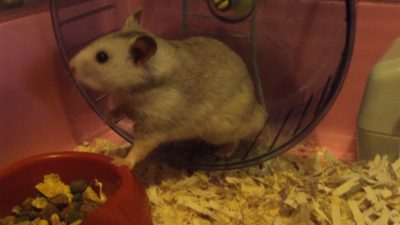
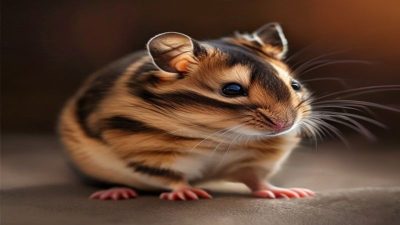
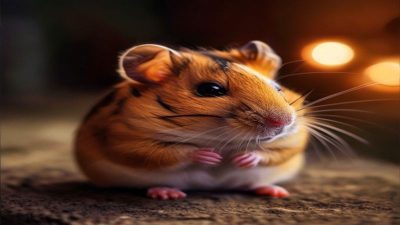
The Syrian Hamster, also known as the golden bear, is one of the most popular hamster breeds. Their large size and docile temperament make them perfect pets. This article will provide a comprehensive introduction to the characteristics of Syrian hamsters.
1. Overview of varieties
Syrian hamsters, native to northern Syria, were introduced to laboratories in the 1930s and have since become popular pets. They are the largest of the hamster species, reaching an adult length of 15-20 cm and a weight of 100-200 g.
Basic data
- Body length: 15-20cm
- Weight: Male 100-150g, female 120-200g
- Lifespan: 2-3 years
- Sexual Maturity: 4-6 weeks of age
- Personality: docile, affectionate, easy to tame
2. Personality characteristics
Syrian hamsters have a gentle temperament and are the easiest of all hamster breeds to handle. They usually do not take the initiative to bite people. After being properly tamed, they will enjoy being interactive with their owners.
- Solitaryness: Syrian hamsters must be kept alone. Sharing cages may lead to injuries from fighting.
- Nocturnal: Sleeping mostly during the day and becoming active in the evening.
- Curiosity: Likes to explore new environments and toys.
- Highly affectionate: After being domesticated, it will actively approach its owner.
3. Classification of coat color and pattern
After years of artificial breeding, Syrian hamsters have developed a rich range of coat and flower colors:
1. Original color system
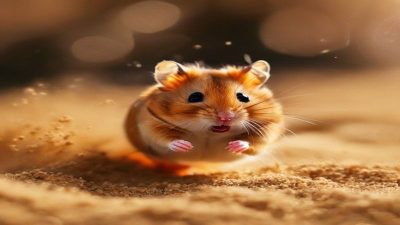
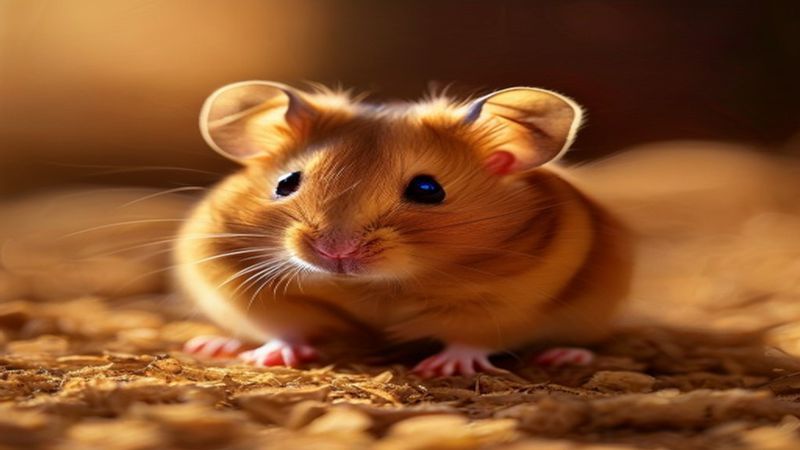
- Golden: Golden brown on the back and white on the belly, it is the most classic coat color.
- Cinnamon: Reddish brown, soft color.
2. Monochrome
- Black, white, chocolate, dark gray, light gray
3. Colors
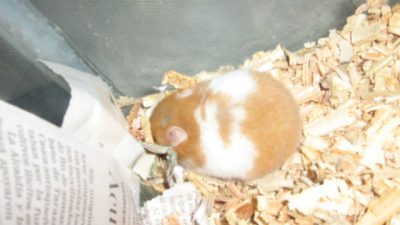
- White belly: Colored back and white belly.
- Ban Dot: There are irregular color patches on the body.
- Turtleback: There are special patterns on the back.
- Dominant spots: Mainly white with a small amount of color spots.
4. Hair type classification
- Short hair: The most common hair type.
- Long-haired: Also known as the “bear version”, male rats have longer hair, like a small bear.
- Satin hair: The hair is shiny, like satin.
- Rex: The hair is curly and has a unique touch.
4. Key points of feeding
1. Cage requirements
Syrian hamsters are larger and require more space. It is recommended that the cage floor area be at least 80cm × 50cm. The diameter of the running wheel should be at least 21cm, and 25-30cm is recommended. If it is too small, it will damage the spine.
2. Dietary recommendations
Syrian hamsters have a large appetite and require about 10-15g of staple food every day. Can be paired with fruits, vegetables, and protein snacks. Pay attention to controlling the amount of snacks to prevent obesity.
3. Mat material selection
It is recommended to use paper cotton or wood chips (poplar/white birch). The thickness of the mat should be at least 5cm to satisfy the hamster’s burrowing instinct. Avoid pine and fir wood chips, as the phenols in them are harmful to hamsters.
4. Temperature management
Suitable temperature 20-26°C, humidity 40-60%. Avoid direct sunlight and draft.
5. Purchase suggestions
Pay attention to the following points when purchasing a Syrian hamster:
- Choose rat pups that are 4-8 weeks old, as they are easier to tame.
- Observe whether the hair is shiny and neat.
- Check whether the eyes are bright and clear, with no discharge.
- Check that the area around the anus is clean (to rule out diarrhea).
- Observe whether the hamster’s reaction is sensitive.
- Choose a regular pet store or breeder.
Summary
Syrian hamsters are the most suitable hamster breed for novices to keep. They have a docile personality, medium size, and rich coat colors. As long as you provide the right environment and scientific feeding, they will become very cute partners in your life.
- 1. Overview of varieties
- Basic data
- 2. Personality characteristics
- 3. Classification of coat color and pattern
- 1. Original color system
- 2. Monochrome
- 3. Colors
- 4. Hair type classification
- 4. Key points of feeding
- 1. Cage requirements
- 2. Dietary recommendations
- 3. Mat material selection
- 4. Temperature management
- 5. Purchase suggestions
- Summary

I hesitated for a long time when choosing a breed, and finally picked Pudding because they're really friendly! But every hamster has its own charm, just pick the one you like~