Dwarf Hamster Species Compared: Campbell, Winter White and Roborovski
- What Actually Counts as a Dwarf Hamster
- The Three Dwarf Species
- Campbell's Russian Dwarf
- Winter White Dwarf
- Roborovski Dwarf
- Dwarf Hamsters Compared
- Which Dwarf Is Right for You?
- Housing Dwarf Hamsters
- Feeding Dwarf Hamsters
- Health Issues Specific to Dwarfs
- Frequently Asked Questions
- What are the three types of dwarf hamsters?
- Which dwarf hamster is the friendliest?
- How long do dwarf hamsters live?
- Can two dwarf hamsters live together?
- Are dwarf hamsters good for children?
- Why do dwarf hamsters get diabetes?
Quick answer: The three dwarf hamsters kept as pets are Campbell’s Russian dwarf, the Winter White dwarf and the Roborovski. Campbell’s and Winter White look almost identical, both are prone to diabetes and both can be nippy, while the tiny Roborovski is the fastest, longest-lived and least handleable. All three need a large cage, deep bedding, a sand bath and a low-sugar diet. None should be bought on impulse — dwarfs are quick, small and easy to drop.
“Dwarf hamster” is one of those labels that hides a lot of variety. Walk into a pet store and you might see three or four different animals all sold as “dwarfs,” each with a completely different temperament, lifespan and set of health risks. Choosing between them matters, because a Roborovski and a Campbell’s are about as different as two hamsters get.
I have kept all three, and the differences surprised me. The Roborovski I could watch for hours but barely hold. The Campbell’s was bold, fast and nippier than I expected. The Winter White was gentler and easier to read. Same category, three very different pets.
This guide compares the three true dwarf species side by side, covers housing and diet, and helps you decide which one suits the kind of owner you are.
What Actually Counts as a Dwarf Hamster
In everyday use, “dwarf hamster” means any of the small species in the genus Phodopus. That covers three pets: Campbell’s Russian dwarf, the Winter White dwarf, and the Roborovski. They share a compact, rounded body, short tail and a life lived close to the ground.
Two animals often lumped in are worth separating out. The Chinese hamster is mouse-like with a longer tail and is not a true dwarf, and Syrian hamsters, though occasionally called “large dwarfs” by confused sellers, are a different genus entirely and roughly three times the size. If you want the full picture of every pet hamster, our hamster breed guide covers them all.
The Three Dwarf Species
Campbell’s Russian Dwarf
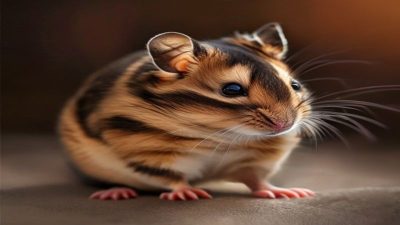
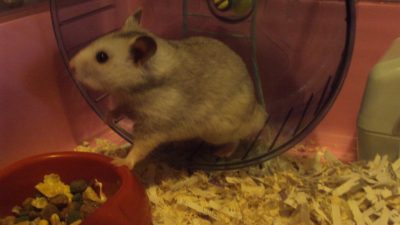
Campbell’s is the most common dwarf in pet stores. It is a grey-brown hamster with a dark stripe down its back, typically weighing 30–50 grams. Campbell’s is bold, active and curious, which makes it fun to watch but also prone to nipping if handled roughly. Crucially, this species has a well-documented tendency toward diabetes, so a low-sugar diet is not optional.
Winter White Dwarf
The Winter White (also called the Djungarian dwarf) looks almost identical to Campbell’s in summer, which is why the two are so often mixed up. Given shorter daylight and cooler temperatures, its coat molts toward white in winter. It is often described as slightly calmer and easier to tame than Campbell’s, though individual personalities vary. It shares Campbell’s diabetes risk and can interbreed with it, producing hybrid offspring.
Roborovski Dwarf
The Roborovski is the smallest of the three, with a body around 4.5–5 centimeters, and the longest-lived, often reaching three years or more. It is sandy-gold with a white belly and distinctive white “eyebrow” markings, and it has no dorsal stripe. Robos are astonishingly fast and skittish, which makes them poor candidates for handing — most owners keep them as a watch-only pet. For a deeper dive, our Campbell’s breed guide covers that species in detail.
Dwarf Hamsters Compared
Here is how the three stack up on the things that matter most to a new owner.
| Feature | Campbell’s | Winter White | Roborovski |
|---|---|---|---|
| Body length | 7–10 cm | 7–10 cm | 4.5–5 cm |
| Typical weight | 30–50 g | 30–50 g | 20–25 g |
| Lifespan | 1.5–2 years | 1.5–2.5 years | 3–3.5 years |
| Dorsal stripe | Yes | Yes | No |
| Winter coat change | Rare | Yes, turns white | No |
| Temperament | Bold, can nip | Gentler, calmer | Extremely fast, shy |
| Handleability | Moderate | Moderate to good | Poor — best watched |
| Diabetes risk | High | High | Lower |
| Scent glands | On flanks | On flanks | On flanks |
Notice that the two “Russian” dwarfs are nearly twins on paper. The real differences show up in temperament and the winter coat. The Roborovski is in a category of its own on lifespan and speed.
Which Dwarf Is Right for You?
The best species depends on what you want from a hamster.
- If you want to handle your hamster regularly: a Winter White is usually the most forgiving of the three, with Campbell’s a close second once tamed carefully.
- If you want a pet to watch: the Roborovski is unmatched. It is endlessly busy, colonies well in a large setup, and lives the longest.
- If you have young children: none of the dwarfs are ideal, because all are small and fast and easy to drop. A calm Syrian is safer for a child’s hands.
- If you want a challenge: Campbell’s is bold and rewarding to tame, provided you take the diabetes risk seriously.
Whatever you choose, dwarfs are not “beginner-proof” just because they are small. Their size makes them harder to handle, not easier.
Housing Dwarf Hamsters
Small animal, large needs. Dwarfs are active and burrow deeply, and they suffer in cramped cages.
- Floor space: aim for at least 400 square inches, and more is better, especially for Roborovskis.
- Deep bedding: at least 15–20 centimeters so they can dig tunnels, their main source of enrichment.
- Wheel: a solid-surface wheel sized to the hamster — around 16–20 centimeters for dwarf species. An undersized wheel bends the spine.
- Sand bath: a shallow dish of fine sand for cleaning their coat. Never use water.
- Safe chews and hides to keep teeth worn and stress low.
Unlike Syrians, some dwarf species can be housed in pairs or small groups — but only same-sex animals raised together, and even then fights happen. If you are weighing up whether to keep two, our guide on whether hamsters can live together explains the risks and the exceptions.
Feeding Dwarf Hamsters
Diet is where dwarf hamsters differ most sharply from Syrians, because Campbell’s and Winter White dwarfs are genuinely prone to diabetes.
- Base the diet on a quality low-sugar mix or pelleted food formulated for hamsters.
- Keep fruit and sweet treats to a minimum, and avoid honey, dried fruit and sugary yogurt drops entirely.
- Use vegetables as the main fresh food, in small amounts, rather than fruit.
- Offer protein through a little cooked egg, plain chicken or mealworms, especially for growing or pregnant hamsters.
- Feed consistently and measure portions, since dwarfs are easy to overfeed.
If you are unsure whether a food is safe, check before you feed it. Our guide to hamster diabetes explains the symptoms to watch for and why a low-sugar diet protects these species so well.
Health Issues Specific to Dwarfs
Dwarfs share the general hamster health problems — overgrown teeth, wet tail, skin parasites, respiratory infections — but a few stand out.
- Diabetes: the headline risk for Campbell’s and Winter White dwarfs. Watch for excessive drinking, frequent urination and weight changes.
- Hypothermia and torpor: small bodies lose heat fast, and a cold dwarf can drop into a dangerous still state.
- Overgrown teeth: common to all hamsters, and a dwarf’s teeth can overgrow surprisingly quickly without enough chew material.
- Injuries from falls: the biggest day-to-day danger when handling a dwarf, because they leap without warning.
Because dwarfs are so small, illness can progress quickly. Check your hamster’s weight weekly on a kitchen scale and watch for changes in eating, drinking and activity. If a dwarf shows signs of pain or illness, or if symptoms are severe or persistent, see an exotic vet — a small-pet specialist rather than a general practice.
Frequently Asked Questions
What are the three types of dwarf hamsters?
The three true dwarf hamsters kept as pets are Campbell’s Russian dwarf, the Winter White dwarf and the Roborovski. The Chinese hamster is often grouped with them but is a different genus, not a true dwarf.
Which dwarf hamster is the friendliest?
Winter White dwarfs are usually considered the gentlest of the three and the easiest to tame. Campbell’s can become friendly with careful handling, while Roborovskis are too fast and shy to be a hands-on pet.
How long do dwarf hamsters live?
Campbell’s and Winter White dwarfs typically live around one and a half to two years. Roborovskis live longer, often reaching three to three and a half years.
Can two dwarf hamsters live together?
Some dwarf species can live in same-sex pairs or small groups raised together, but fighting is always a risk. Syrians, by contrast, must always live alone. Separate cages are the safest option.
Are dwarf hamsters good for children?
Generally no. Dwarfs are small, fast and easily dropped, which makes them risky for young children. A calm Syrian is a safer choice for handling, while a dwarf is better suited to older owners or as a watch-only pet.
Why do dwarf hamsters get diabetes?
Campbell’s and Winter White dwarfs are genetically prone to diabetes, so a high-sugar diet can trigger it. Feed a low-sugar mix, avoid sweet treats and fruit, and monitor for excessive drinking and urination.
Dwarf hamsters are wonderful pets, but they are not a smaller, easier version of a Syrian. They are fast, sensitive, diabetes-prone and best handled by owners who understand their needs. Match the species to your expectations, give them a big cage, deep bedding and a low-sugar diet, and they will reward you with endless activity. To compare every pet hamster and find the one that fits your home, browse our breed guide section.
- What Actually Counts as a Dwarf Hamster
- The Three Dwarf Species
- Campbell's Russian Dwarf
- Winter White Dwarf
- Roborovski Dwarf
- Dwarf Hamsters Compared
- Which Dwarf Is Right for You?
- Housing Dwarf Hamsters
- Feeding Dwarf Hamsters
- Health Issues Specific to Dwarfs
- Frequently Asked Questions
- What are the three types of dwarf hamsters?
- Which dwarf hamster is the friendliest?
- How long do dwarf hamsters live?
- Can two dwarf hamsters live together?
- Are dwarf hamsters good for children?
- Why do dwarf hamsters get diabetes?

I hesitated for a long time when choosing a breed, and finally picked Pudding because they're really friendly! But every hamster has its own charm, just pick the one you like~