Syrian Hamster Colors and Coat Types: A Complete Guide
- Short-Haired vs Long-Haired: The Two Main Coat Types
- Short-Haired Syrian
- Long-Haired Syrian
- The Syrian Colors You Will Actually See
- Golden (Agouti)
- Banded
- Cream, Cinnamon and Other Light Colors
- Black and "Black Bear"
- Grey, Silver and Lilac
- Piebald and Dominant Spot
- Tortoiseshell and Roan
- Syrian Colors and Coats at a Glance
- Textured and Unusual Coats
- How Coat Color Is Decided
- Does Coat Color Affect Health or Temperament?
- Frequently Asked Questions
- How many colors do Syrian hamsters come in?
- What is the difference between a teddy bear and a Syrian hamster?
- Which Syrian color is the friendliest?
- Do black Syrian hamsters live shorter lives?
- Why did my hamster's coat change as it grew up?
- Can two long-haired hamsters produce short-haired babies?
Quick answer: Syrian hamsters come in a few recognizable coat types — short-haired and long-haired (the “teddy bear” look), plus rarer textured coats — and in color families that include golden, banded, cream, cinnamon, black, grey and piebald. Coat color and coat length are set by genetics, not by the pet store label. None of them changes how long a hamster lives or how friendly it is, so choose the one you like the look of and judge health and temperament in person.
Walk into any pet store and the Syrian hamsters on the shelf can look like completely different animals. One is a uniform warm gold, the next is a white-and-black patchwork, and a third is a shaggy ball of fur you can barely find a face in. They are all the same species, Mesocricetus auratus, and the differences come down to two things: genetics and fur length.
When I bought my first Syrian I assumed the names on the labels were official breeds. They are not. “Teddy bear,” “black bear” and “panda” are marketing labels, and the same hamster can be sold under three different names in three different stores. Learning the real categories helped me spot healthy animals hidden behind fancy names.
This guide walks through the Syrian coat types, the colors you will actually see, and what those colors do and do not tell you about the hamster in front of you.
Short-Haired vs Long-Haired: The Two Main Coat Types
Before color even comes into it, every Syrian falls into one of two coat-length categories. This is the single most useful thing to know, because it affects grooming, bedding and how the hamster looks as it grows.
Short-Haired Syrian
The short-haired (sometimes called “fancy”) Syrian is the classic pet store hamster. Its coat is dense, smooth and lies flat against the body. It is the easiest coat to keep tidy because it barely needs grooming, and it stays clean with a sand bath alone. If you want a low-maintenance hamster and you are not fussy about the shaggy look, this is the one to pick.
Long-Haired Syrian
The long-haired Syrian is often sold as a “teddy bear” hamster. The males grow a long skirt of fur around the hips and a fuller ruff over the shoulders, and the coat keeps lengthening until the hamster is several months old. Females can carry the long-hair gene too, but it usually shows far less, which is why most teddy bears in stores are male. This coat needs a little more care: a soft brush now and then, and bedding that will not tangle into the fur. With a short-haired hamster you can skip all of that.
If you want a wider look at every pet hamster and how the Syrian fits in, our hamster breed guide compares them all in one place.
The Syrian Colors You Will Actually See
Color is where things get interesting, and also where labels get messy. Almost every pet-store Syrian belongs to one of the families below.
Golden (Agouti)
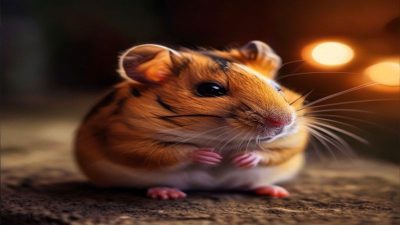
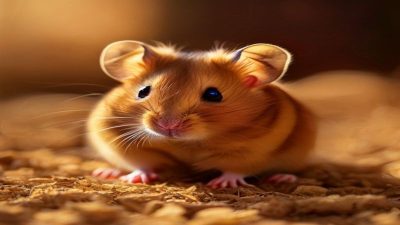
The golden Syrian is the original wild-type color: a rich reddish-brown back, a white belly, and a dark grey undercoat that gives the fur depth. True golden hamsters usually have black eyes and dark ears. This is the color most people picture when they hear “Syrian hamster,” and it is still the most common.
Banded
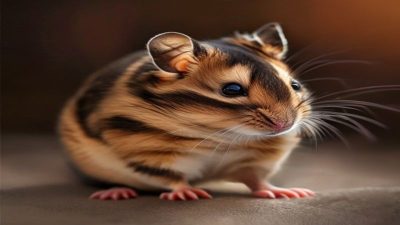
Banded Syrians carry a white ring around the middle of the body. The band sits over whatever base color the hamster has, so you get golden banded, cinnamon banded and black banded hamsters. The band is a pattern, not a separate color.
Cream, Cinnamon and Other Light Colors
Cream Syrians are a soft, pale apricot color with a lighter belly, often with red eyes. Cinnamon is a warm, even reddish-tan without the grey undercoat of golden, and it also tends to have red eyes. These lighter colors can be hard to tell apart in poor light, so check eye color and undercoat when comparing two hamsters.
Black and “Black Bear”
A true black Syrian is glossy and near-solid black, occasionally with a small white patch on the chest or paws. The label “black bear” is just a nickname for a large black or dark-eyed hamster; there is no separate breed. Black coats look striking but show dull fur and dander clearly, which helps when checking a hamster’s health.
Grey, Silver and Lilac
Grey and silver Syrians are diluted versions of darker colors, giving a cool, smoky coat. Lilac is a softer grey with a warm overtone and, again, usually red eyes. These are less common in chain stores but easy to find from breeders, and they photograph beautifully.
Piebald and Dominant Spot
Piebald and dominant spot hamsters are the patchy ones: white bodies splashed with patches of another color, often on the head and rump. The amount of white varies wildly, which is exactly why two “panda” hamsters can look nothing alike. A dominant spot pattern is a genuine genetic trait; “panda” and “cow-spot” are store nicknames built on top of it.
Tortoiseshell and Roan
Tortoiseshell Syrian females show a patchwork of two colors, usually black and golden or black and cream, split across the body. Roan coats are a fine ticking of white hair mixed through the base color, a frosted look that often deepens with age. Both are less common and mostly seen from breeders.
Syrian Colors and Coats at a Glance
Here is a quick reference for the coat types and the most common colors, so you can match a hamster to its label.
| Coat / Color | What it looks like | Eye color | Notes |
|---|---|---|---|
| Short-haired (fancy) | Smooth, flat, dense fur | Any | Easiest coat, minimal grooming |
| Long-haired (teddy bear) | Long skirt and ruff, mostly males | Any | Needs light brushing, keeps tangling bedding out |
| Golden (agouti) | Reddish-brown back, white belly, grey undercoat | Black | The original wild color |
| Banded | White ring around the middle | Black or red | A pattern, not a color |
| Cream | Pale apricot, light belly | Usually red | Hard to tell from cinnamon in dim light |
| Cinnamon | Warm even tan, no grey undercoat | Usually red | Lacks the agouti ticking |
| Black / black bear | Glossy near-black, maybe a white chest patch | Black | Shows dull fur and dander well |
| Grey, silver, lilac | Cool smoky dilution | Black or red | Mostly from breeders |
| Piebald / dominant spot | White with patches of another color | Black or red | White amount varies per hamster |
| Tortoiseshell / roan | Two-color patchwork or frosted ticking | Black or red | Rare, breeder lines |
Notice that eye color does not follow the coat in a simple way. Some pale coats have red eyes and some dark ones have black eyes, but this is only a rough guide — the only way to be sure is to look at the hamster.
Textured and Unusual Coats
Beyond short and long, a few coats change the texture of the fur rather than its length.
- Rex: a curly, slightly crimped coat that stands up a little and feels thicker. Rex hamsters can look permanently rumpled, which is normal for the type.
- Satin: a glossy, almost shiny coat produced by a hollow hair shaft. Satin coats look silky but can mat more easily and may appear greasier if the hamster is not kept clean.
- Hairless and “skinny”: very rare and best avoided by beginners. These hamsters can look striking but often have weaker skin and need warmer housing and closer health checks.
If your hamster’s coat ever changes beyond the normal fluffy-to-adult transition — patchy thinning, bald spots, or greasy-looking fur — that is a health signal, not a coat type. Coat length and color change with age; hair loss usually does not. Our guide to hair loss in hamsters explains the common causes, from mites to diet.
How Coat Color Is Decided
Coat color in Syrians is controlled by a set of genes, and each one either adds, removes or dilutes pigment. The black gene can override the golden base color. The cream and cinnamon genes are dilutions that lighten the agouti pattern. The band and dominant spot genes lay a pattern over the top. Two long-haired hamsters will usually produce long-haired babies.
Because these traits combine and hide, one litter can hold several colors — hidden genes in both parents can produce a color neither parent shows. That is why pet store labels are unreliable: they describe what the store sees, not the genetics behind it.
Does Coat Color Affect Health or Temperament?
This is the question new owners ask most, and the honest answer is: mostly no. A hamster’s color does not make it friendlier, calmer or longer-lived. The “black bear is more aggressive” idea is a myth, resting on the rare lethal white trait, which affects only certain white patterns, not every spotted hamster.
Temperament comes from the individual hamster and how it was raised; health comes from genetics, diet and living conditions. A well-cared-for golden and a well-cared-for black live about the same length of time. If you want the full picture of caring for any of them, our complete Syrian hamster care guide covers housing, diet and handling.
Where color does matter is spotting a problem. A healthy coat of any color should be clean, full and free of bald patches, and the eyes should be bright and dry. When you are choosing a hamster, look for:
- Clear, dry eyes with no discharge or cloudiness.
- An even coat with no bald spots, scabs or greasiness, whichever color it is.
- A dry, clean rear end. A wet, dirty tail is a red flag for digestive illness.
- Steady breathing and no sneezing or clicking sounds.
- An alert, curious manner rather than a hunched, still one.
- Firm, steady movement with no wobbling, which can be a sign of illness.
Frequently Asked Questions
How many colors do Syrian hamsters come in?
There are dozens of named combinations, but they usually fall into a few families: golden and other agouti tones, cream, cinnamon, black, grey and lilac, plus patterns like banded, piebald and dominant spot. A single hamster can carry more than one trait.
What is the difference between a teddy bear and a Syrian hamster?
Nothing — a teddy bear is simply a long-haired Syrian. The name describes the coat, not a separate breed, and it is used mostly by pet stores. Long-haired males grow the fullest coat.
Which Syrian color is the friendliest?
No color is friendlier than another. Temperament depends on the individual hamster and how much gentle handling it has had, not on its fur. Judge the hamster in front of you, not the label.
Do black Syrian hamsters live shorter lives?
No. Solid black is just a coat color and does not shorten lifespan. The rare lethal white trait is linked to certain white patterns, but an ordinary black hamster has no lifespan disadvantage.
Why did my hamster’s coat change as it grew up?
Young hamsters go through a lighter juvenile coat that darkens and thickens with age, and some patterns like roan deepen over time. A coat that thins, balds or turns greasy is a different matter and usually points to a health problem.
Can two long-haired hamsters produce short-haired babies?
Usually not if both parents carry two copies of the long-hair gene, but genetics can surprise you when hidden traits combine. If you plan to breed, expect variety and do not assume the litter will match the parents.
Syrian hamster colors are a fun rabbit hole, but they are not the thing to lose sleep over. Pick the coat and color you enjoy looking at, then judge the hamster itself: clear eyes, clean coat and an alert attitude matter far more than whether it is golden or grey. If color is where your research started, the next step is choosing the species that suits your home — the breed guide section profiles every common pet hamster so you can compare them side by side.
- Short-Haired vs Long-Haired: The Two Main Coat Types
- Short-Haired Syrian
- Long-Haired Syrian
- The Syrian Colors You Will Actually See
- Golden (Agouti)
- Banded
- Cream, Cinnamon and Other Light Colors
- Black and "Black Bear"
- Grey, Silver and Lilac
- Piebald and Dominant Spot
- Tortoiseshell and Roan
- Syrian Colors and Coats at a Glance
- Textured and Unusual Coats
- How Coat Color Is Decided
- Does Coat Color Affect Health or Temperament?
- Frequently Asked Questions
- How many colors do Syrian hamsters come in?
- What is the difference between a teddy bear and a Syrian hamster?
- Which Syrian color is the friendliest?
- Do black Syrian hamsters live shorter lives?
- Why did my hamster's coat change as it grew up?
- Can two long-haired hamsters produce short-haired babies?

I hesitated for a long time when choosing a breed, and finally picked Pudding because they're really friendly! But every hamster has its own charm, just pick the one you like~